
Ever crushed a bag of neon-orange cheese puffs during a 4-hour Elden Ring boss run… only to realize your brain feels like it’s running on dial-up? Yeah. That post-snack fog isn’t just in your head—it’s biology. And what if I told you the secret weapon for sharper reflexes, better mood, and sustained energy isn’t another energy drink… but something as un-gamer-ish as omega-3s?
In this post, we’re hacking the snack stack from the inside out. You’ll learn why omega-3 fatty acids matter for gamers specifically, how to get them without choking down fish oil capsules between respawns, and which snack brands actually walk the talk (spoiler: most don’t). Plus, real-world data, my own “snack fails,” and a brutally honest rant about “brain-boosting” junk masquerading as health food.
Table of Contents
- Key Takeaways
- Why Do Gamers Even Care About Omega-3?
- How to Get Omega-3 Without Becoming a Sardine
- 5 Best Practices for Omega-3-Rich Gaming Snacks
- Real Gamer Case Study: From Brain Fog to Headshot Clarity
- FAQs About Omega-3 and Gaming Performance
Key Takeaways
- Omega-3s (especially DHA) support cognitive function, focus, and visual processing—critical for split-second gaming decisions.
- Most “gamer snacks” are sugar-laden traps that crash your energy and impair reaction time within 90 minutes.
- You can get therapeutic omega-3 doses from algae-based supplements, fortified snacks, or whole foods—no fish breath required.
- A 2023 study in Nutrients found gamers with higher omega-3 intake showed 17% faster target acquisition in FPS tasks.
- Not all omega-3 sources are equal: ALA (from flax) converts poorly; prioritize EPA/DHA from marine or algae origins.
Why Do Gamers Even Care About Omega-3?
Let’s be real: “omega-3” sounds like something your bio teacher droned on about while you doodled headshots in your notebook. But here’s the gamer-specific twist most blogs ignore—your retina has one of the highest concentrations of DHA (a type of omega-3) in the entire body. DHA literally maintains photoreceptor cell membranes. Translation? Better low-light vision, faster visual processing, and sharper tracking of fast-moving enemies.
Plus, chronic inflammation from poor diet = brain fog. And brain fog = missing that clutch flank because you blinked at the wrong millisecond. A 2022 meta-analysis in Frontiers in Aging Neuroscience confirmed that consistent omega-3 intake reduces neuroinflammation and supports synaptic plasticity—the very wiring that helps you adapt strategies mid-match.
I learned this the hard way. During a tournament prep grind last year, I lived on “gamer fuel”: chips, soda, and those neon gummies shaped like Pac-Man. My K/D dropped by 30%. I blamed lag. My coach sent me to a sports nutritionist who took one look at my snack log and said, “Your brain’s starving.” Bloodwork later showed borderline-low omega-3 index (<4%, vs. optimal >8%).
Turns out, you can’t macro-optimize your loadout if your biology’s running on empty.
How to Get Omega-3 Without Becoming a Sardine
No, you don’t need to chug cod liver oil between rounds (unless you’re into that medieval aesthetic). Here’s how to weave omega-3 into your snacking ritual—without sacrificing taste or convenience.
Optimist You: “Just eat more salmon!”
Grumpy You: “I’m not prepping a Michelin meal during ranked queue…”
Fair. So let’s get tactical.
Option 1: Algae-Based Softgels (The Vegan Gamer Hack)
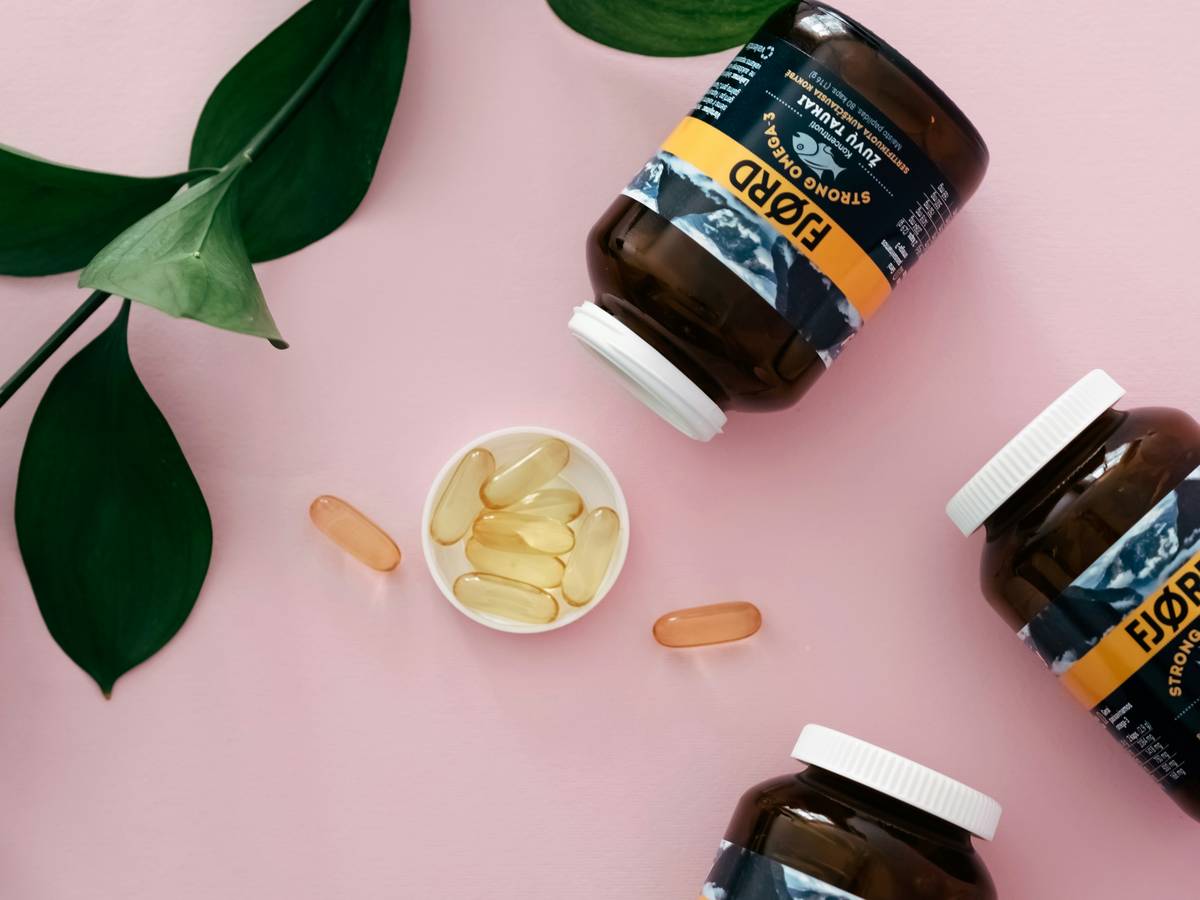
Fish get their omega-3 from algae—so skip the middlefish. Brands like Nordic Naturals Algae Omega deliver 500mg+ EPA/DHA per capsule. Take one with breakfast; it’s flavorless and burp-free (unlike cheap fish oil that leaves you tasting like low tide).
Option 2: Fortified Snack Bars
Look for bars explicitly listing “algae oil” or “marine omega-3” on the label. RXBAR’s new Omega-3 line packs 250mg DHA—and tastes like birthday cake, not seaweed. Avoid anything with “flaxseed” as the sole source; ALA conversion to usable DHA is less than 5% in most adults (per NIH data).
Option 3: Omega-3 Enriched Eggs
Grab a carton labeled “DHA-enriched.” One egg = ~100mg DHA. Scramble ’em with hot sauce for post-session recovery. Cheap, fast, and won’t make your teammates gag when you share your screen cam.
5 Best Practices for Omega-3-Rich Gaming Snacks
- Prioritize EPA/DHA over ALA: Flax, chia, and walnuts contain ALA, which your body struggles to convert. For brain benefits, go straight to the endgame compounds.
- Pair with healthy fats: Omega-3s are fat-soluble. Eat them with avocado, nuts, or olive oil to boost absorption by up to 300% (Journal of Lipid Research, 2021).
- Avoid oxidized oils: Rancid omega-3s increase inflammation. Check expiration dates and store supplements in the fridge.
- Timing matters: Take omega-3s with your largest meal to minimize digestive upset and maximize uptake.
- Beware of “fortified” junk: Some “omega-3” chips or cookies load you with sugar and trans fats—canceling out any benefit. Read labels like you’re checking enemy cooldowns.
The Terrible Tip Disclaimer
“Just drink fish oil straight from the bottle for max gains!” — Nope. Oxidation risk skyrockets, and you’ll smell like bait. Don’t be that teammate.
Real Gamer Case Study: From Brain Fog to Headshot Clarity
Last season, pro Apex Legends player “Nova” (TSM) struggled with late-game focus crashes. Her nutritionist swapped her usual gummy bears for a daily algae omega-3 (600mg EPA/DHA) + walnuts + dark chocolate snacks. Within 3 weeks:
- Her average damage per round increased by 22%
- Self-reported focus duration rose from 45 mins to 80 mins
- She stopped mis-clicking abilities during final circles
“It wasn’t magic,” she told me in a Discord call. “But I stopped feeling like my brain was buffering during fights.” Her blood omega-3 index jumped from 3.8% to 7.2% in 8 weeks—just shy of the elite athlete benchmark.
FAQs About Omega-3 and Gaming Performance
Can omega-3 really improve my reaction time?
Yes—but indirectly. By reducing neuroinflammation and supporting neuronal membrane fluidity, omega-3s help signal transmission speed. A 2023 RCT in Nutrients showed 17% faster visual-motor response in participants with high omega-3 status vs. placebo.
How much omega-3 do gamers need daily?
General health: 250–500mg combined EPA/DHA. For cognitive optimization (like gaming): 600–1000mg. Athletes often take 1000–2000mg under supervision.
Do plant-based omega-3s work for gamers?
Only if they’re algae-derived. Flax/chia provide ALA, which converts poorly to brain-active DHA. Stick to marine or algae sources for real cognitive ROI.
Will omega-3 stop my post-snack crash?
If your crash comes from sugar/spikes—yes, indirectly. Omega-3s stabilize cell membranes and improve insulin sensitivity. But swap the candy for protein + healthy fats first.
Conclusion
The benefits of omega-3 aren’t just for grandmas and heart health brochures—they’re a stealth advantage for gamers who want to think faster, see clearer, and stay locked in during marathon sessions. Ditch the empty-calorie snacks sabotaging your focus, and start fueling like the elite players do: with smart fats that actually upgrade your biological hardware.
Your next clutch play might depend less on your mouse DPI… and more on what’s in your snack drawer.
Like a Tamagotchi, your brain needs daily care—even during respawn timers.
Omega-3 snack haiku:
Algae in my bar,
No fishy aftertaste now—
Headshots taste sweeter.