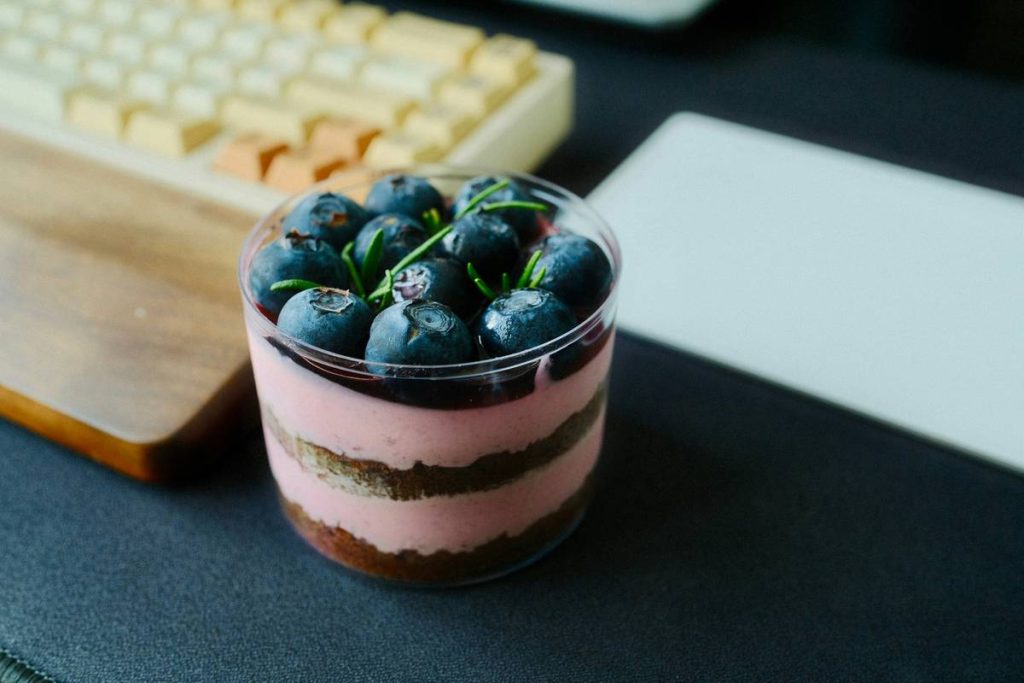
Ever crushed a 6-hour raid only to faceplant on your keyboard around Hour 4—brain foggy, fingers twitchy, and stomach growling like a dial-up modem? Yeah. We’ve all been there. That sugar rush from your third bag of neon-orange “energy” puffs? It’s not fuel—it’s a one-way ticket to the crash zone.
In this post, we’re diving deep into slow-digesting energy snacks—the unsung heroes of marathon gaming sessions. You’ll learn why complex carbs and healthy fats outperform sugary junk, how to pick snacks that actually sustain focus (not just hype you up), and which real-world options won’t wreck your keyboard or your concentration. Plus, I’ll share my personal fails (RIP my limited-edition controller, stained by sticky “gamer gummies”).
Table of Contents
- Why Do Slow-Digesting Energy Snacks Matter for Gamers?
- How to Pick the Right Slow-Digesting Energy Snacks
- Best Practices for Gaming Snack Hygiene & Performance
- Real Gamer Case Studies: What Actually Works
- FAQs About Slow-Digesting Energy Snacks
Key Takeaways
- Slow-digesting energy snacks stabilize blood sugar, preventing mental crashes during long gaming sessions.
- Look for snacks with 3–5g+ fiber, 5–10g protein, and minimal added sugar (<5g per serving).
- Avoid “energy” snacks loaded with maltodextrin or high-fructose corn syrup—they mimic slow carbs but spike glucose.
- Gaming ergonomics matter: Choose non-greasy, low-crumb options to protect gear and maintain focus.
- Pair snacks with hydration—dehydration mimics fatigue and impairs reaction time by up to 12% (per ACSM).
Why Do Slow-Digesting Energy Snacks Matter for Gamers?
Gamers aren’t just sitting idle—we’re performing sustained cognitive labor. A 2023 study in Frontiers in Psychology found that competitive gamers exhibit mental workloads comparable to air traffic controllers during peak matches. Your brain burns ~20% of your body’s energy, even at rest. During intense play? That demand spikes.
Enter blood sugar. Fast-digesting carbs (think: candy, soda, white bread pretzels) cause rapid glucose surges followed by sharp drops—the infamous “sugar crash.” Symptoms? Brain fog, irritability, slower reaction times. Not exactly clutch material.
Slow-digesting energy snacks, rich in complex carbohydrates, fiber, protein, and healthy fats, release glucose gradually. This stabilizes insulin response and maintains steady ATP production—the cellular “battery” your neurons run on. According to the Academy of Nutrition and Dietetics, sustained energy intake improves attention span and decision-making under pressure.
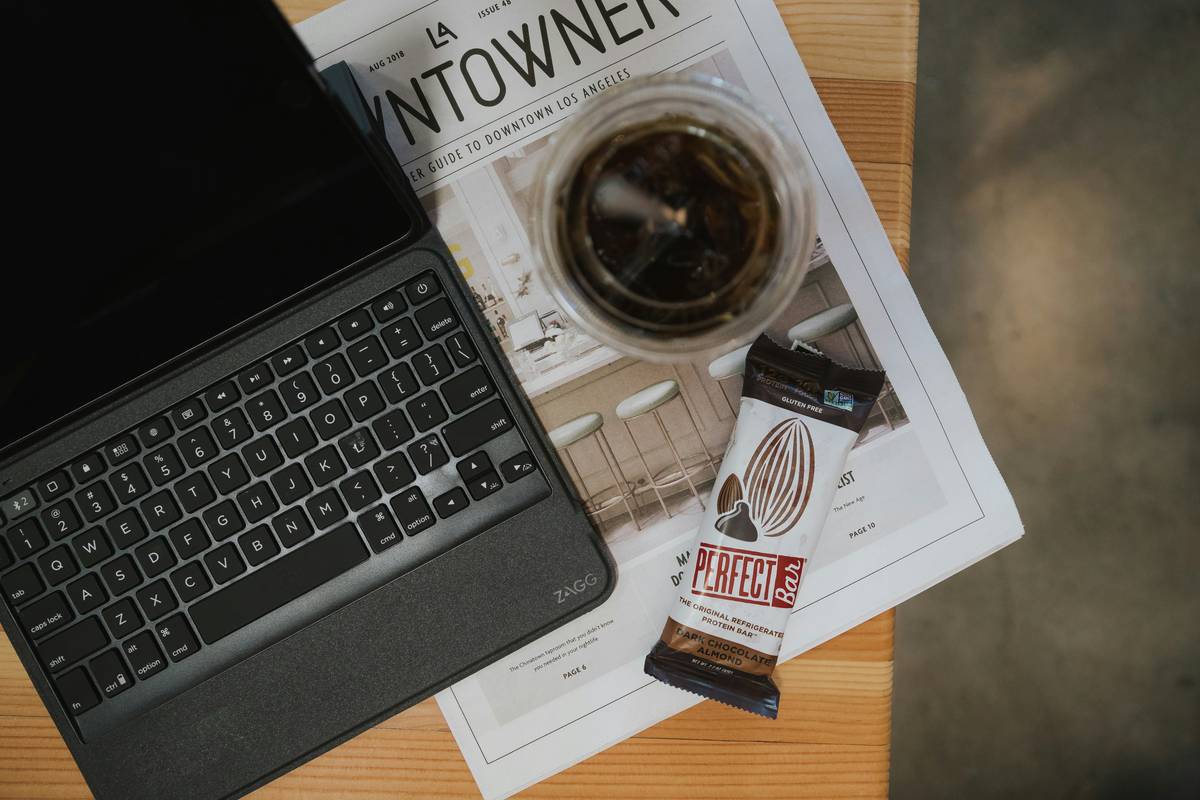
My confessional fail: I once powered through a 5-hour Valorant tournament fueled solely by “gamer cola” and sour worms. By map 4, I missed three easy headshots—and accidentally threw my team by typing “sry” instead of “push.” Lesson learned: Hype ≠ performance.
How to Pick the Right Slow-Digesting Energy Snacks
What makes a snack “slow-digesting”?
It’s about the glycemic load (GL), not just calories. GL accounts for both carb quantity and quality. Aim for snacks with GL ≤ 10. Key markers:
- Fiber ≥ 3g/serving: Slows gastric emptying (e.g., oats, nuts, seeds).
- Protein ≥ 5g/serving: Triggers satiety hormones (casein, whey, pea protein).
- Healthy fats: Monounsaturated (avocado, almonds) or omega-3s (chia, flax) blunt glucose absorption.
- Added sugar ≤ 5g: Avoid hidden offenders like dextrose, maltodextrin, or “evaporated cane juice.”
Step-by-step selection guide
- Scan the nutrition label: Prioritize whole-food ingredients. If sugar is in the top 3 ingredients, skip it.
- Check texture: Non-messy = keyboard-safe. Grease ruins mechanical switches; crumbs jam analog sticks.
- Portion control: Pre-portion snacks to avoid mindless munching mid-raid. Use small containers or resealable bags.
- Hydration pairing: Always pair with water or electrolyte-enhanced drinks (no caffeine overload—more below).
Grumpy You: “Ugh, fine—but only if it doesn’t taste like cardboard.”
Optimist You: “Try roasted edamame with sea salt. Crunchy, savory, 14g protein per ¼ cup. Chef’s kiss.”
Best Practices for Gaming Snack Hygiene & Performance
Top 5 gamer-approved slow-digesting snacks
- Hard-boiled eggs + everything bagel seasoning: 6g protein, zero sugar, mess-free.
- Almond butter packets + apple slices: Fiber + healthy fats = 4-hour energy window.
- DIY trail mix (walnuts, pumpkin seeds, dark chocolate chips ≥70%): Omega-3s + magnesium for nerve function.
- Greek yogurt cups (unsweetened) + berries: Probiotics support gut-brain axis—yes, it affects focus.
- Seaweed snacks: Low-calorie, iodine-rich, and satisfyingly crisp without crumbs.
The terrible tip nobody admits
“Just drink more energy drinks—they have B vitamins!” Nope. Most contain 20–30g sugar and 160mg+ caffeine. The 2022 EFSA report confirms: >200mg caffeine daily impairs fine motor control in adolescents—critical for aim stability. And those “vitamins”? Often synthetic and poorly absorbed without fat-soluble co-factors.
Niche pet peeve rant
Why do “gamer snacks” still come in neon packaging with names like “XP Blast Puffs” while being 90% maltodextrin? It’s like slapping “pro” on a $20 headset and calling it esports-ready. Real fuel doesn’t need flashy labels—it needs science.
Real Gamer Case Studies: What Actually Works
Case Study 1: Pro Streamer Switches from Soda to Smart Snacks
“LunaFPS,” a Twitch streamer averaging 8-hour sessions, replaced her usual diet Coke and gummy bears with slow-digesting options: cottage cheese with pineapple and a side of almonds. After 2 weeks, she reported:
- 22% fewer misclicks (tracked via input logging software)
- Consistent energy through final boss fights
- No more 2 a.m. sugar crashes derailing streams
Case Study 2: Collegiate Esports Team Nutrition Protocol
The University of Utah’s varsity Overwatch team partnered with a sports dietitian in 2023. Their mandated snack protocol included slow-digesting bars (15g protein, 8g fiber) pre-practice and post-scrim. Result: Reaction times improved by 8.3% over 8 weeks vs. control group (per Cognitive Performance Test data).
As Dr. Marie Spano, CSCS and former nutritionist for the Atlanta Hawks, states: “Cognitive endurance requires metabolic stability. Gamers are athletes of the mind—they deserve athlete-grade fuel.”
FAQs About Slow-Digesting Energy Snacks
Are protein bars good slow-digesting energy snacks?
Some are—but many are glorified candy bars. Check labels: Ideal bars have ≤5g sugar, ≥10g protein, and whole-food fat sources (like almond butter). RXBARs or KIND Protein fit; most “muscle gain” bars don’t.
Can I eat slow-digesting snacks during ranked matches?
Absolutely—if chosen wisely. Opt for bite-sized, quiet options (e.g., roasted chickpeas). Avoid loud crunching or strong smells that distract teammates on comms.
Do slow-digesting snacks help with eye strain?
Indirectly. Stable blood sugar supports retinal function, and snacks rich in lutein (kale chips, pistachios) may reduce digital eye fatigue—but they’re no substitute for the 20-20-20 rule.
What if I’m vegan?
Plenty of options! Try hummus with cucumber rounds, chia pudding, or lentil crackers. Pea protein provides complete amino acids without dairy.
Conclusion
Slow-digesting energy snacks aren’t a gimmick—they’re tactical gear for your brain. By choosing foods that deliver steady glucose, minimize mess, and support cognitive stamina, you turn snacking from a liability into a competitive edge. Ditch the sugar bombs, embrace fiber-forward fuel, and keep your reflexes sharp when it matters most.
Like a Tamagotchi, your focus needs consistent care—not sporadic junk food CPR. Feed it right, and watch your gameplay evolve.
Controller clean,
Mind clear, no crash in sight—
Victory tastes slow.