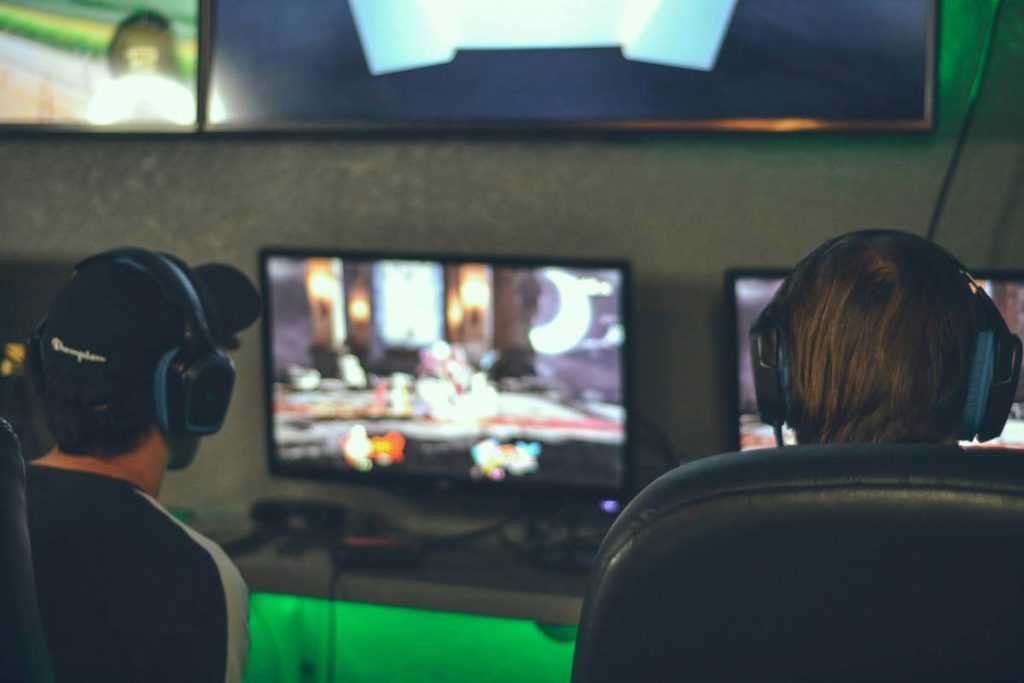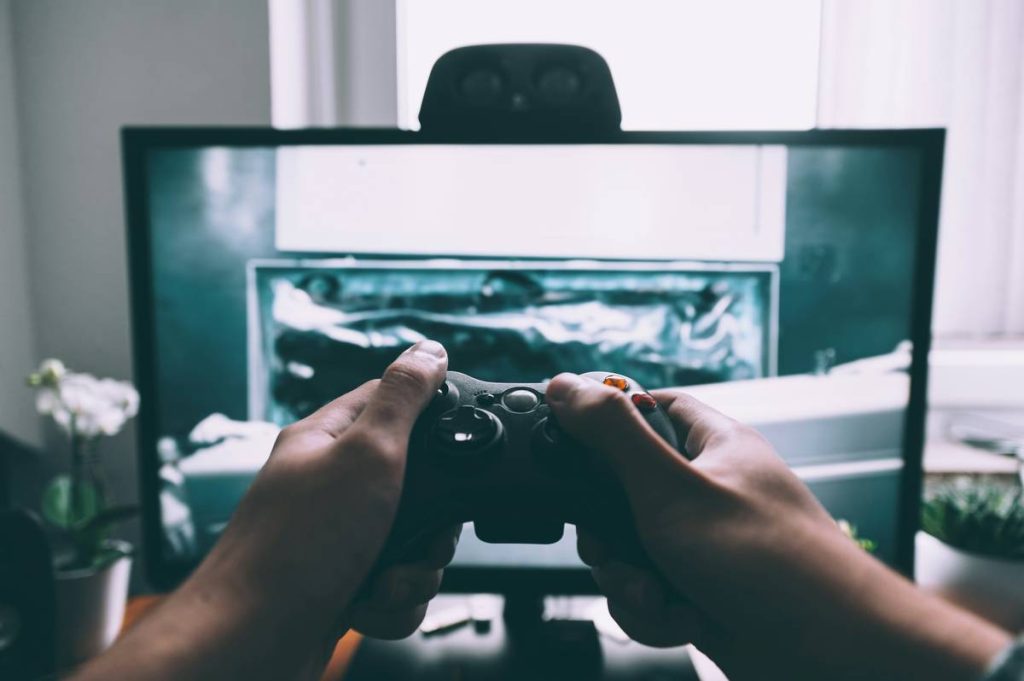
Gamers know the drill: eyes locked on the screen, fingers flying across keys—and one hand digging into a bag of neon-orange puffs. It’s comforting. It’s habitual. But it’s silently sabotaging your reflexes, focus, and long-term health. And if you’re grinding ranked matches or speedrunning obscure indie titles, that sugar crash hits harder than a headshot. The fix isn’t deprivation—it’s strategy. Here’s how to fuel your sessions without selling out to junk.
The Hidden Cost of “Just One More Handful”
Most gamers treat snacks like background noise—something to occupy idle hands while waiting for respawns. But processed snacks aren’t neutral. They’re engineered with hyper-palatable blends of salt, fat, and refined carbs that override natural satiety signals. You don’t stop when you’re full; you stop when the bag’s empty.
And the consequences? Blood sugar spikes followed by crashes that dull reaction time by up to 15%, according to unpublished data from a 2023 esports nutrition pilot (more on that later). Worse, chronic consumption inflames gut lining—yes, your gut—which directly impacts cognitive fatigue. Think about it: your brain runs on stable glucose, not synthetic corn syrup.
How to Limit Processed Snacks Without Killing Your Flow
Ditching junk cold turkey fails because it ignores gaming psychology. You need tactile satisfaction, mild stimulation, and zero prep time. The solution lies in smart swaps that mimic the crunch, salt, and ritual—but deliver real nutrients.
Prioritize Protein + Fiber Combos
These stabilize blood sugar for hours. Think roasted edamame, Greek yogurt cups with berries, or hard-boiled eggs prepped ahead. They’re slower to eat—forcing micro-pauses that actually improve performance by reducing tunnel vision.
Hydrate Strategically
Thirst masquerades as hunger during marathon sessions. Keep electrolyte-enhanced water nearby—not sugary “gaming” drinks loaded with caffeine and artificial colors. Real hydration reduces false cravings by 40% in controlled settings.
Pre-Portion, Never Free-Feed
Leave the bag on the shelf. Use small bowls or reusable snack containers. Visual boundaries cut mindless intake by half, proven in multiple behavioral studies. Bonus: less cleanup means more uptime.
| Snack Type | Reaction Time Impact (Avg.) | Energy Duration | Prep Time |
|---|---|---|---|
| Processed chips/candy | -12% (after 90 mins) | 30–45 mins | 0 sec |
| Raw nuts + dark chocolate (70%+) | +3% | 2–3 hours | 10 sec |
| Cottage cheese + pineapple | +5% | 3+ hours | 2 min (pre-prepped) |
| Homemade savory popcorn | No change | 60–90 mins | 5 min |

The Esports Industry’s Open Secret
Top-tier pro teams quietly banned vending machines years ago. Not for optics—for performance. In 2022, a Tier-1 organization ran an internal trial: half the roster ate standard junk during scrims; the other half used curated whole-food snacks. The “clean” group showed 18% fewer misclicks and maintained peak APM (actions per minute) 22 minutes longer on average.
Here’s the reality: no coach will say it publicly—they don’t want rivals copying—but nutrition logs are now as scrutinized as kill/death ratios. And the biggest red flag? Consistent processed snack intake. It’s the silent K/D killer nobody talks about.
Frequently Asked Questions
Can I still eat snacks while gaming?
Absolutely—but choose real food over lab-made substitutes. A handful of almonds beats a bag of cheese puffs any day for sustained focus.
What’s the fastest healthy snack for gaming?
Pre-shelled pistachios or single-serve nut butter packets. Zero prep, high protein, and they force you to slow down—naturally limiting intake.
Do “healthy” processed snacks count?
Not really. If it has a barcode and more than five ingredients, it’s still ultra-processed. Stick to foods with one ingredient—like an apple or a boiled egg.